

The Local Pool Builder Defying (ASR) Concrete Cancer Crisis
Concrete Cancer: How Austin Dreamscapes is Leading the Way in Pool Quality
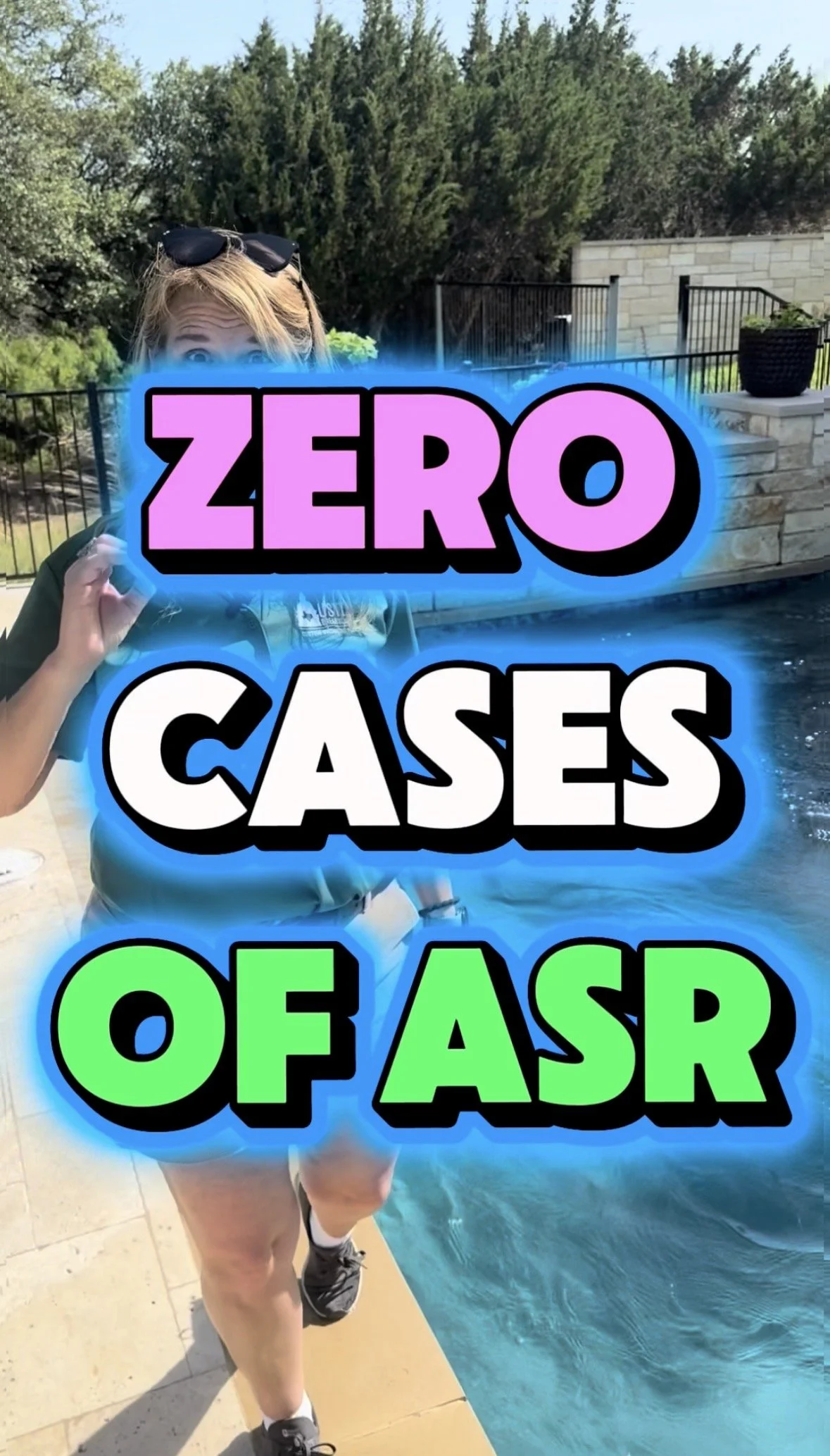
In Central Texas, concrete lives a hard life. Long stretches of heat, shifting clay soils, and constant moisture put every pool shell to the test. So when homeowners started hearing about ASR—often called “concrete cancer”—it understandably raised concern. But like most things today, the truth is more nuanced than the headlines. Let’s take it slow, plainspoken, and practical—because knowing how a pool is built matters just as much as how it looks.
We’ve been fortunate—and intentional—in how we build. Over the years, we’ve constructed hundreds of pools across Central Texas, and zero of them have experienced ASR. Not one.
That record isn’t luck. It comes from:
Using gunite with no stone aggregate
Designing dense, properly engineered rebar schedules
Controlling materials and execution from start to finish
This isn’t about fear or finger-pointing. It’s about understanding how materials behave over decades, not just during the first swim season. Because in Texas, a pool shouldn’t just survive its first summer.
It should still be holding water, memories, and long afternoons long after the novelty wears off.
Gunite Isn’t the Problem — It’s Often the Advantage
Gunite is a dry-mix concrete process. Cement and sand are delivered dry through the hose, and water is added only at the nozzle as the material is applied to the shell. There’s no premixed slurry sitting in a truck, and just as important:
Gunite contains no stone aggregate.
No rocks. No gravel. Fewer variables.
That single distinction removes one of the biggest risk factors associated with ASR before the pool shell is even formed. With fewer unknowns inside the concrete, there’s far less opportunity for chemical reactions to develop years later.
The Hidden Benefit: Small Air Pockets That Help, Not Hurt
Because gunite is hydrated at the nozzle, tiny natural air pockets form throughout the shell. These micro-voids are not defects—they’re part of what makes gunite perform so well long-term.
Those small pockets allow the concrete to:
Cure more evenly
Relieve internal pressure
Handle minor expansion and contraction over time
In Central Texas, where temperature swings and moisture are a given, that internal flexibility helps prevent the shell from becoming brittle. Instead of fighting the environment, the concrete adapts to it.
Shotcrete: Wet Mix, More Variables in Play
Shotcrete uses a wet-mix process, meaning the concrete is fully mixed at the batch plant before arriving on site. That mix often includes stone aggregate (small rocks) blended in with the cement and water.
When materials are carefully sourced and engineered, shotcrete can perform well. But this method introduces more variables—especially when aggregate sources aren’t tightly controlled.
If the stone aggregate contains reactive silica, and the concrete remains exposed to moisture over time (as pools always are), the conditions for ASR can quietly begin forming inside the shell. Wet-mix concrete is denser and less forgiving, with fewer internal spaces to absorb expansion.
Add in another common shortcut—lighter rebar schedules—and the concrete has very little resistance when internal pressure builds. That’s when cracks start to show up.
Why Rebar Still Does the Heavy Lifting
Concrete handles compression & Steel controls movement.
A properly designed rebar cage keeps the shell locked together, distributing stress evenly and restraining expansion. When steel is reduced or spaced too far apart, the concrete is left to manage internal pressure on its own—and it rarely wins that fight.
Most ASR-related failures aren’t caused by one bad decision. They’re caused by a stacking of choices:
Wet-mix concrete
Stone aggregate of questionable origin
Insufficient rebar
Over time, that combination can dramatically shorten the life of a pool.
How to Tell If Your Pool May Be Showing Signs of ASR

ASR rarely announces itself all at once. It develops slowly. If your pool was built during the years when ASR became more common in Central Texas, keep an eye out for these warning signs:
Spider-web or map-style cracking that spreads over time
White, chalky, or crystalline residue on concrete surfaces
Spalling or flaking concrete, especially near the waterline
Persistent leaks with no clear plumbing cause
Cracks that continue to grow, even after cosmetic patching
Seeing one symptom doesn’t automatically mean ASR—but multiple signs together are worth having evaluated.
Built for Texas, Proven Over Time
We’re here for you, and from our family to yours, we stand firmly behind our product, promising a pool that’s built to last. With our lifetime warranty on Gunite shells and plaster, you can dive into worry-free enjoyment, knowing your backyard oasis will be a source of fun and relaxation for years to come. Here’s to making lasting memories and enjoying every splash with confidence and joy!